

Hemp Fibre Processing: Retting, Decortication, and Refinement
The processing bottleneck of the hemp fibre industry. Different retting methods, decortication scale, refinement for textiles vs paper vs composites, and why Canada lags.

Hemp Insulation: A Green Building Material
Hemp batt, loose-fill, and panel insulation deliver thermal performance comparable to mineral wool while providing moisture management, sound absorption, and carbon storage.

Hemp Paper: A Specialty Today, Centuries of History
Hemp paper was dominant in much of history until wood pulp displaced it in the 19th century. Today it is a specialty product valued for longevity, fibre strength, and sustainability.

Hemp Biocomposites in Automotive and Manufacturing
Hemp fibre combined with plastic or resin matrices creates lightweight composites used in automotive interiors, consumer products, and industrial applications. Property comparison with glass fibre.

Hempcrete and Building Materials
Hempcrete is hemp hurd combined with lime-based binder. Used for wall infill, insulation, and finishing. Properties, applications, costs, and the Canadian hempcrete industry status.
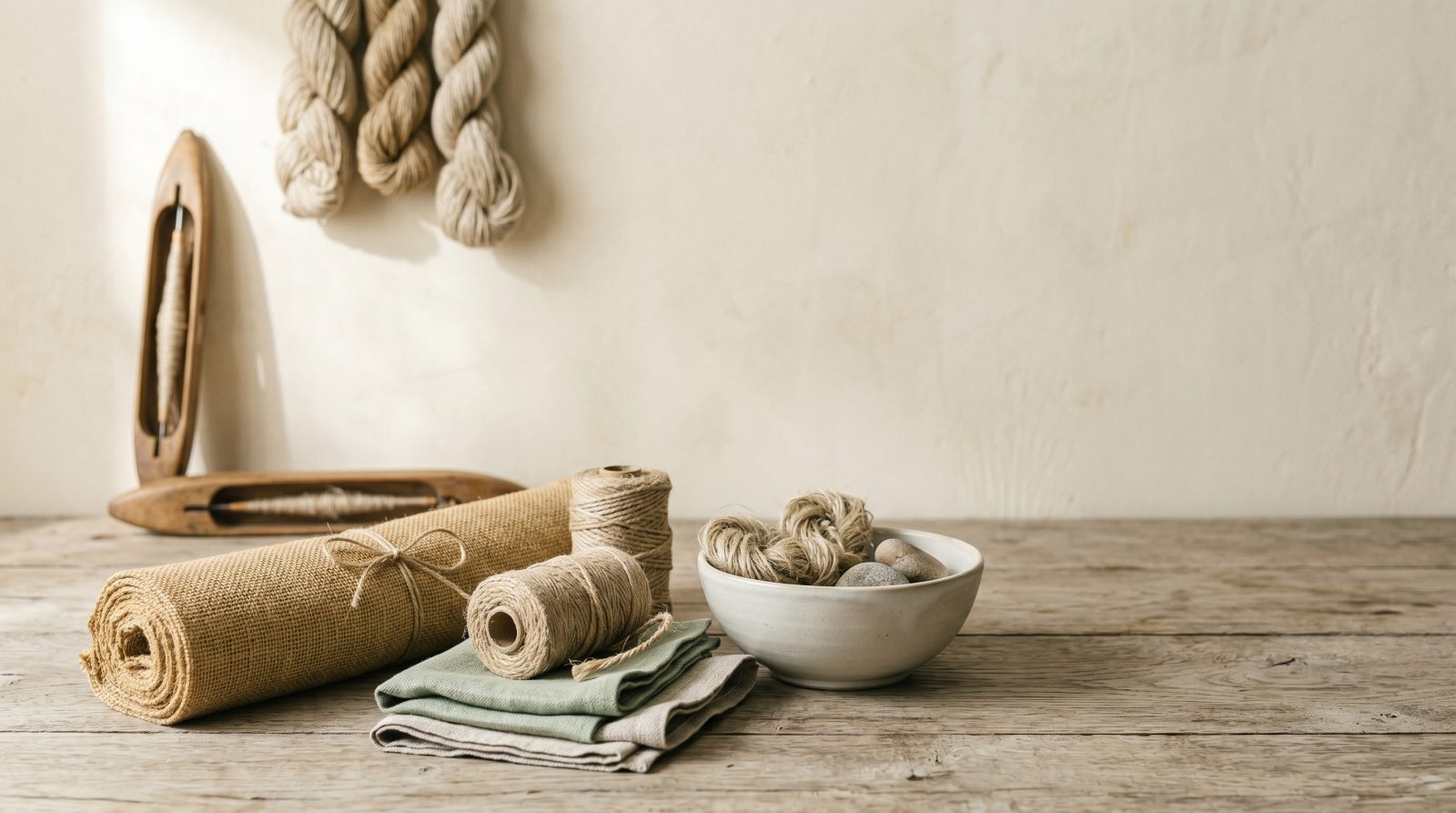
Hemp Textiles
Bast fibre processed into yarn and woven into fabric. Hemp's strength, breathability, and antimicrobial properties make it valuable for clothing, upholstery, and technical textiles. Comparison with cotton.

Hemp Fibre Basics: Bast and Hurd
Hemp stalks contain two distinct materials: long bast fibre for textiles and rope, and woody hurd for building materials and biocomposites. The processing chain and the Canadian industry context.